
Most explanations of technical SEO start with a metaphor. It's the engine of a car. It's the foundation of a house. It's the tracks a train runs on. I've read a dozen versions of the same comparison, and none of them tell you anything useful about what to actually go check on your own website.
So let me skip the metaphor and tell you what technical SEO actually is, based on what I look for every time I open a client's Search Console for the first time.
Technical SEO is everything that determines whether Google, and increasingly AI systems like ChatGPT and Google's AI Overviews, can find your pages, understand them, and trust them enough to show them to someone. It has nothing to do with your writing, your offer, or how good your business actually is. A site can have the best content in its industry and still be invisible because of something broken underneath it that nobody's looked at.
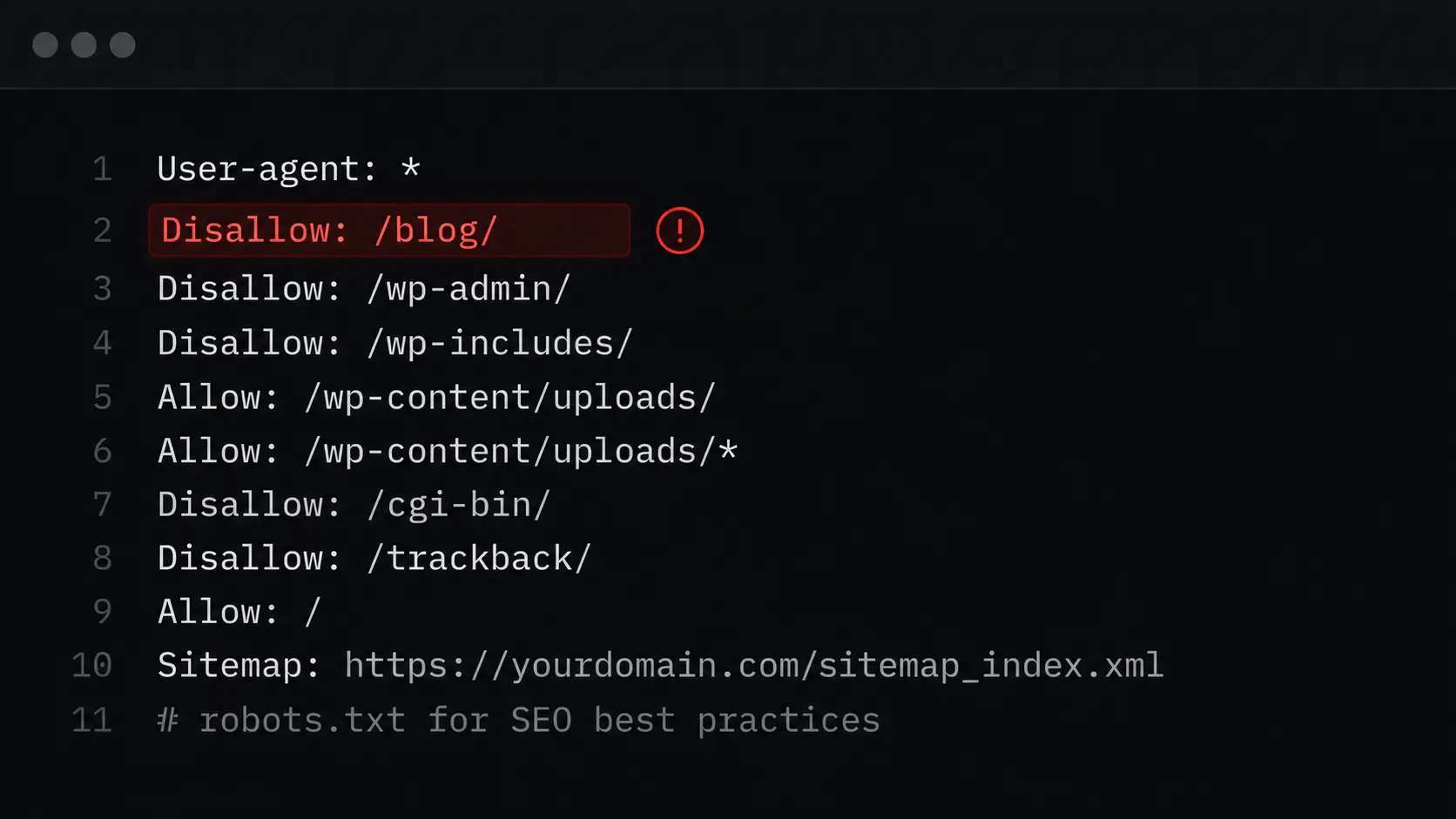
I've seen this play out the same way more times than I can count. A client comes to me convinced their content isn't good enough, when the real problem was a robots.txt file quietly blocking their entire blog since a developer made a change months earlier and never undid it. Six months of content, completely invisible to Google, for a reason that had nothing to do with the writing itself.
What technical SEO actually covers
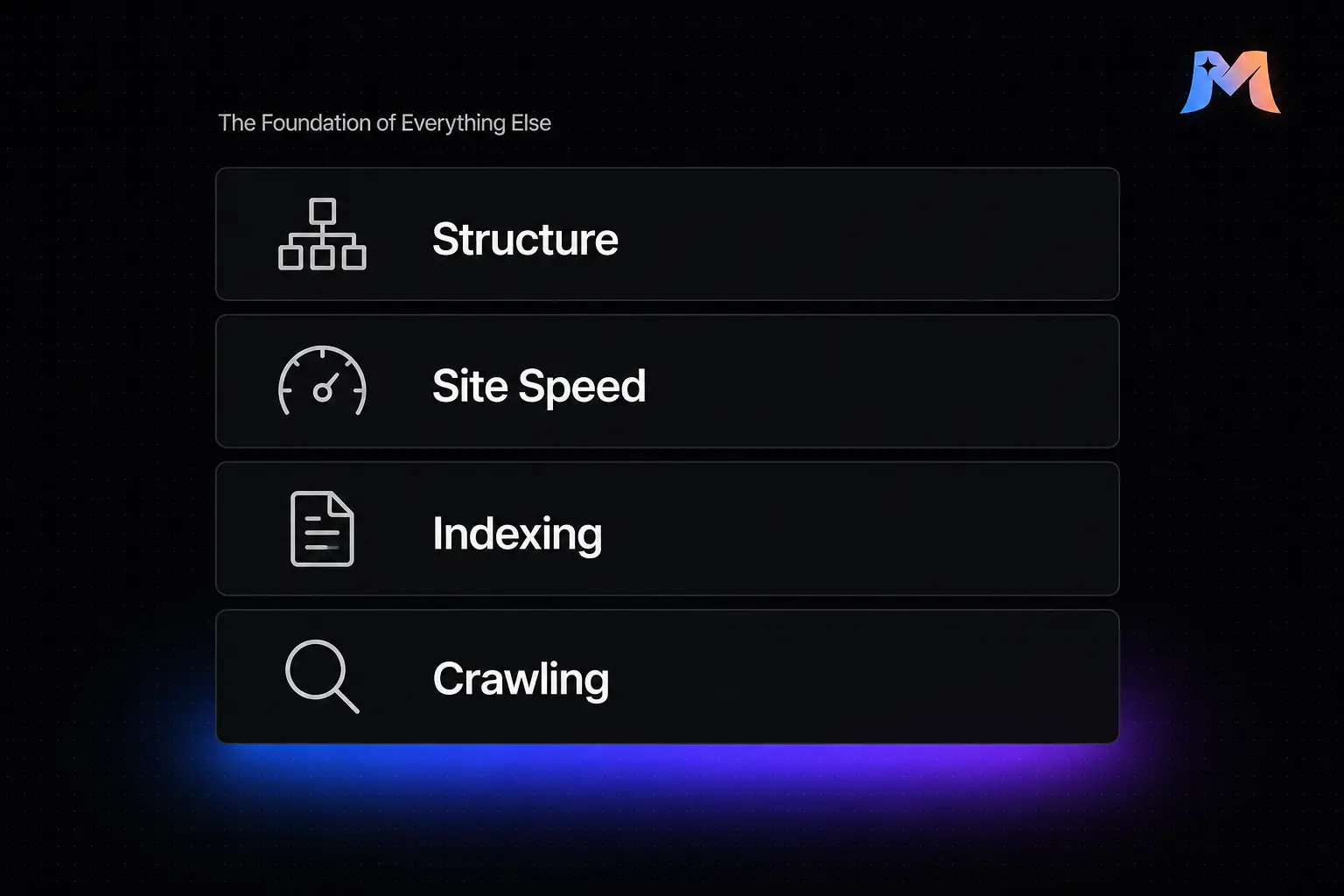
Strip away the jargon and it comes down to a short list of real questions.
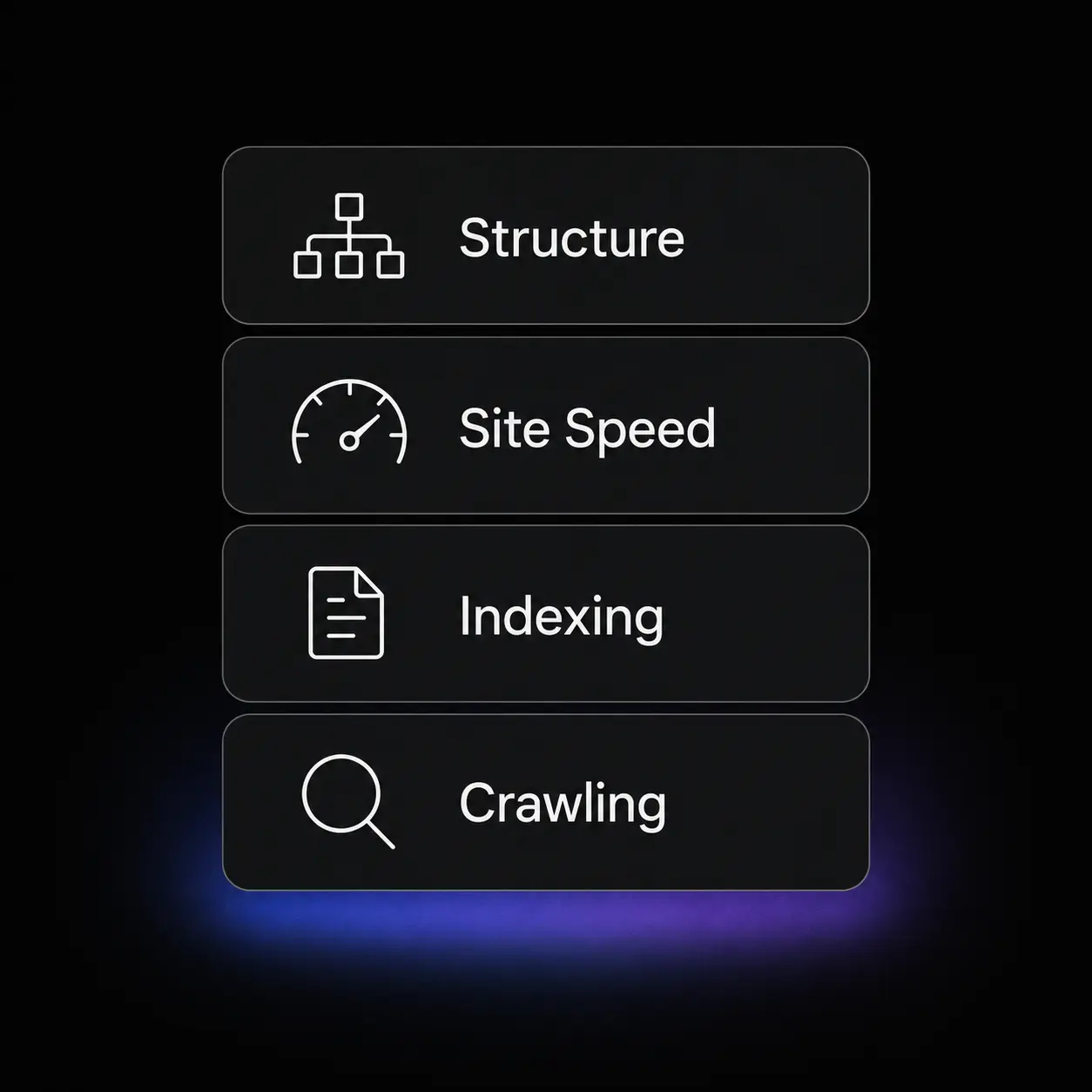
Can search engines find your pages in the first place. This is crawlability, whether Googlebot can actually navigate your site without hitting dead ends, blocked sections, or a structure so tangled it gives up before reaching everything.
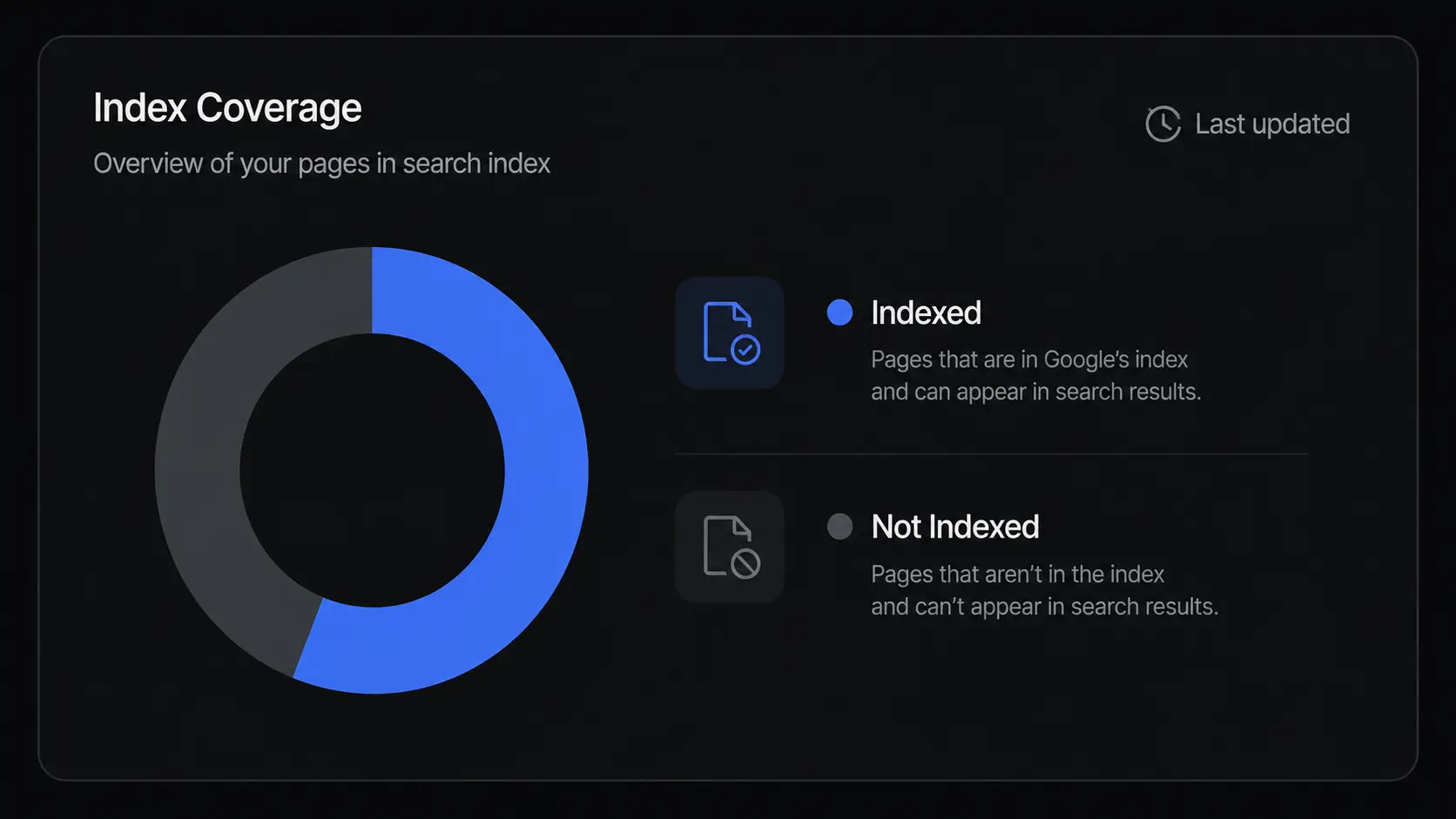
Once found, can they properly read and store your pages. This is indexing, and it's where I find some of the most damaging, easiest to miss problems. Pages accidentally set to noindex. Canonical tags pointing to the wrong URL, or to a page that no longer exists. A sitemap that hasn't been updated in years while hundreds of new pages sit undiscovered.
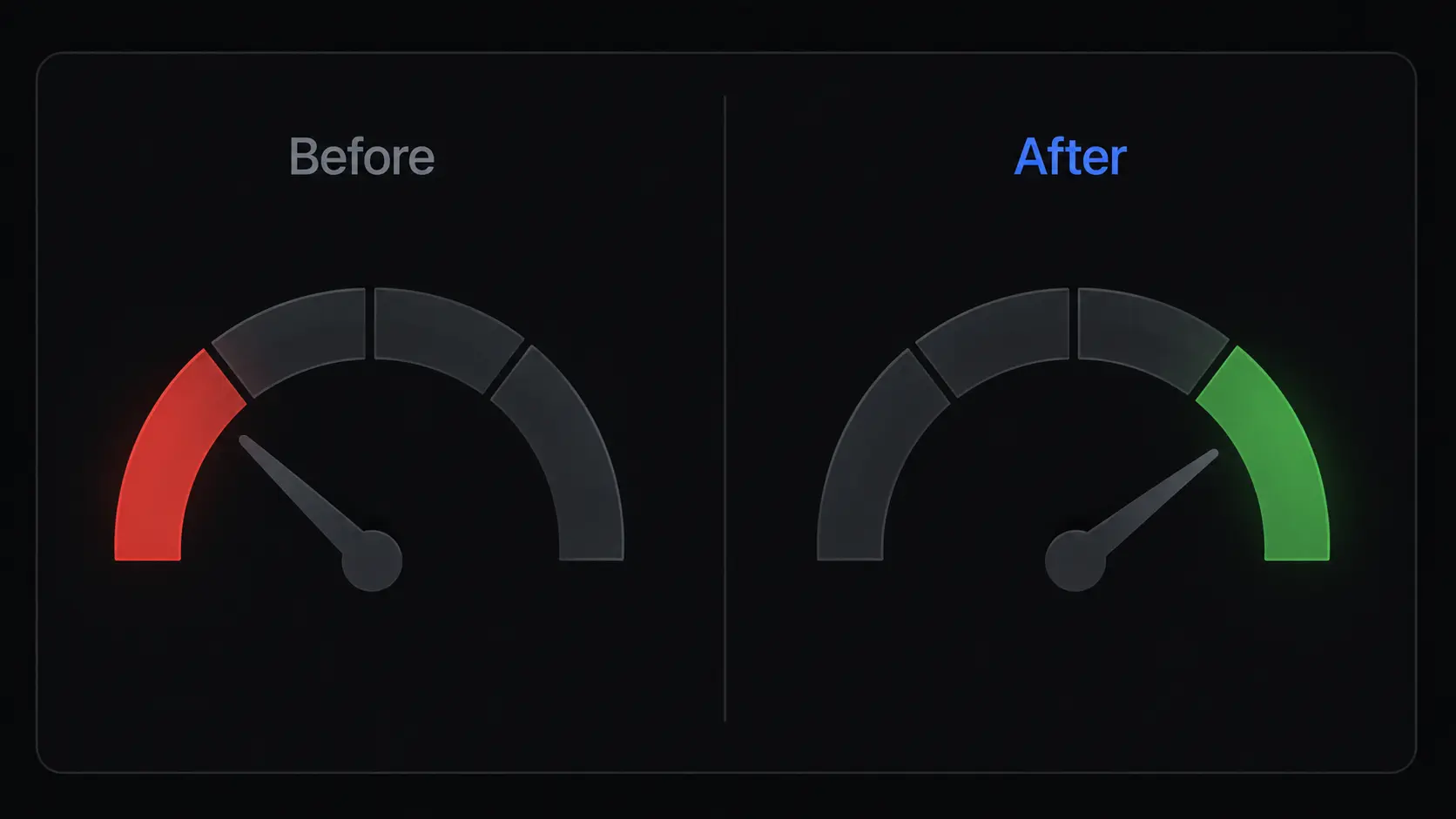
Does your site load fast enough and behave well enough for both users and search engines to trust it. This is Core Web Vitals territory, load speed, visual stability, how quickly a page responds to interaction. I worked on a site once where the homepage alone had twelve unoptimized images over 2MB each. Load time was sitting at 8 seconds. After fixing it, that dropped under 2 seconds, and organic traffic increased by over 30% the following month, not because anything about the business changed, just because people could actually reach the page before giving up.
Is your site structured in a way that makes sense. Clean URLs, a logical hierarchy, internal links that actually connect your important pages instead of leaving them orphaned with nothing pointing to them.
Are you accidentally showing search engines multiple versions of the same page. Duplicate content from www versus non-www, HTTP versus HTTPS, or parameter variations that split your ranking power across three weak pages instead of consolidating it into one strong one.
And now, increasingly, is your site structured in a way that AI systems can actually pull from and cite. This is the part almost nobody writing about technical SEO right now goes deep on, and it's become one of the most important parts of the job.
Why this matters more now than it did two years ago
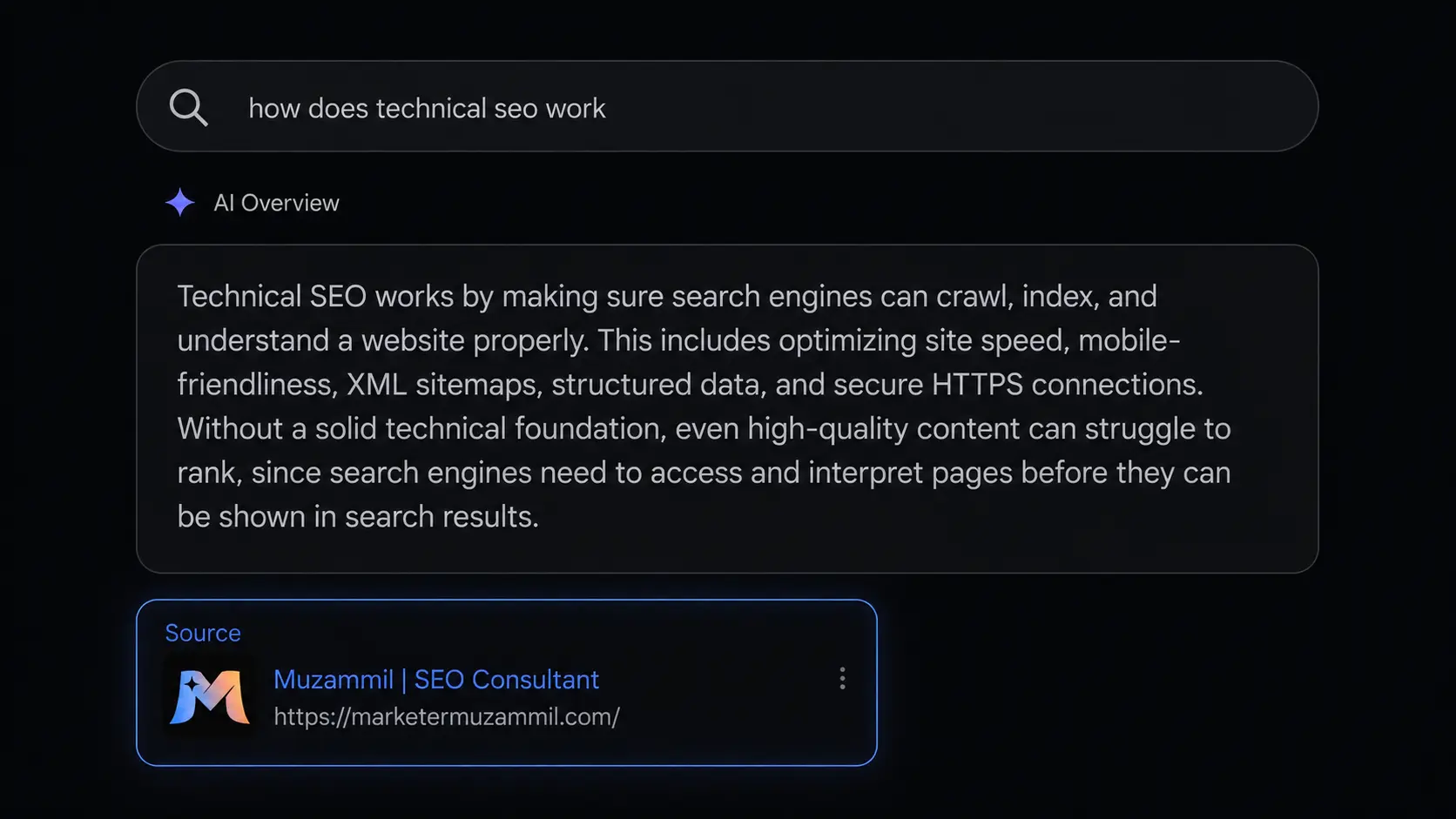
Search doesn't only mean the ten blue links anymore. When someone asks ChatGPT or Google's AI Overview a question, the systems generating that answer still have to crawl, render, and understand real web pages to pull information from. If your technical foundation is broken in the same ways I described above, blocked pages, poor structure, content that never gets properly indexed, you're not just invisible in traditional search results anymore. You're invisible to the AI answers that are increasingly sitting in front of those results entirely. This is exactly the gap I built AI Search Visibility around, because getting cited in an AI answer requires the same crawlable, well-structured foundation as ranking traditionally, plus a layer most sites haven't touched yet.
Why most sites get this wrong
Two patterns show up constantly in my audits. The first is technical debt from growth nobody planned for. A site that made sense with 20 pages develops real structural problems at 200, and by the time it's 2,000, small early mistakes, like a messy URL structure or missing canonical strategy, have compounded into a real ranking ceiling.
I see this constantly, on WordPress sites loaded down with heavy page builders, on custom builds nobody stress-tested, on stores that scaled faster than their technical foundation could keep up with. It doesn't matter what country the business is in or what platform they're on, cheap hosting paired with a bloated build slows a site down before a single piece of content even gets evaluated. I've fixed this exact problem for clients from local Pakistani businesses to international B2B exporters, the pattern repeats everywhere.
The second is nobody actually going in and finding these problems until something forces the issue, traffic drops, a migration goes wrong, or someone finally asks why the content marketing isn't working. Neither pattern gets fixed by writing more content. It gets fixed by someone actually auditing the foundation, which is exactly what I've laid out in my technical SEO audit checklist, the exact sequence I run for every client engagement.
Where technical SEO fits with everything else
Technical SEO isn't the whole job, it's the part that has to be right before anything else can work. Great content on a page Google can't properly crawl won't rank. Strong backlinks pointing at a page with a broken canonical tag won't help. It's the layer everything else depends on, which is why every engagement I take on starts with a technical audit before touching content or authority building, covered in full on my technical SEO service page.
I work with businesses on this everywhere I've got clients, from local companies here in Karachi and across Pakistan, to businesses in the USA, UK, and UAE. The technical problems themselves don't really change by geography, what changes is the competitive landscape around them, which is exactly why the strategy gets tailored to the market, not just the website.
If you're not sure whether your own site has these problems, that uncertainty is usually the clearest sign it's worth checking. Most businesses have no idea whether their site is technically sound until someone actually looks. That's what a proper SEO audit and strategy is built to answer, clearly, with a prioritized plan instead of a wall of jargon.
Ready to fix what's actually holding your site back?
I'll show you exactly what's costing you rankings and traffic, then build the plan to fix it.
Get a Free Strategy Call